A New Tax Year Checklist for Small Businesses
As we approach the start of a new tax year, it’s a great opportunity for small business owners to take a step back and review their finances. A little preparation now can make the months ahead much smoother and help avoid unnecessary stress when tax deadlines roll around.
Whether you’re self-employed, running a limited company, or managing property income, the start of a new tax year is the perfect time to get organised and set yourself up for success.
Here are a few simple steps to help your business start the new tax year on the right foot.
Get Your Bookkeeping Up to Date
One of the most important things you can do at the start of the tax year is to ensure your bookkeeping is organised and up-to-date.
Keeping accurate records throughout the year helps you understand how your business is performing and avoids a last-minute scramble with tax returns.
If bookkeeping tends to slip down the priority list, it might be worth reviewing your current system or considering accounting software that makes the process easier.
Review Your Business Expenses
The start of the tax year is a good time to review your business expenses and make sure you’re claiming everything you’re entitled to.
Common expenses that small businesses may be able to claim include:
Office supplies and equipment
Business travel and mileage
Software subscriptions
Phone and internet costs
Professional fees and training
Keeping clear records and receipts will help ensure nothing gets missed.
Plan Ahead for Tax Payments
Many businesses find tax bills stressful simply because they haven’t planned ahead.
Setting aside money regularly for taxes can make a huge difference and prevent unexpected surprises later in the year.
Even setting aside a percentage of income in a separate savings account can make tax payments much more manageable.
Check Whether Your Business Has Grown
As your business develops, certain financial thresholds may become relevant.
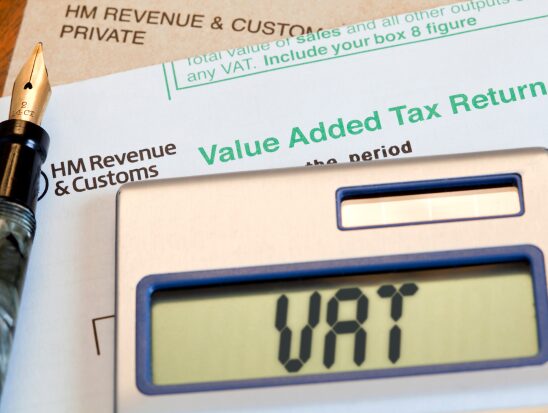
For example, if your turnover is increasing, you may need to consider VAT registration or changes to your business structure.
Reviewing this early in the year gives you time to plan rather than reacting later.
Set Financial Goals for the Year Ahead
A new tax year is also a good opportunity to think about where you want your business to go over the next 12 months.
You might want to consider:
Having clear goals can help guide your decisions and keep your business moving forward.
How IJC Finance Can Help
At IJC Finance, we work with small and growing businesses every day to help them stay organised, plan ahead, and feel confident about their finances.
If you’d like support with bookkeeping, tax planning, or simply making sure your business is on the right track for the year ahead, our team would be happy to help.
📧 enquiries@ijcfinance.co.uk
📞 01621 738084